Home

2018.443.2

Object Title
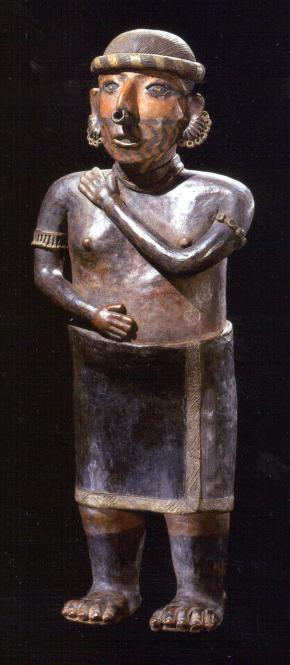
Standing Female Figure
Measurements
H. 23 1/2 x W. 9 7/8 in. (59.7 x 25.1 cm)
Creation Date
AD 100-400
Credit Line
Gift of Joanne and Andrall Pearson, 2018
Culture
Country of Origin
Object Type
Materials / Techniques
Object URL
https://www.metmuseum.org/art/collection/search/319000
Provenance Information
Billy Pearson, Los Angeles; [Stendahl Galleries, Los Angeles]; [Lacy Gallery, Los Angeles]; [Ancient Art of the New World, Inc., New York]; Joanne and Andrall Pearson collection, New York, 2002–2018
Exhibition Information
2004 Heritage of Power: Ancient Sculpture from West Mexico. The Andrall E. Pearson Family Collection. The Metropolitan Museum of Art, New York.

Publication Information
Butterwick, Kristi. Heritage of Power: Ancient Sculpture From West Mexico: The Andrall E. Pearson Family Collection. New York, New Haven, London: The Metropolitan Museum of Art, 2004, no. 38, pp. 85–86.
Section of the AAMD Guidelines relied upon for the exception to 1970
Gift or bequest expected or on loan prior to 2008
Explain why the object fits the exception set forth above
This work was offered and accepted as a promised gift to The Metropolitan Museum of Art in 2004, when it was exhibited and published as part of the The Andrall E. Pearson Family Collection. This work is one of three offered together by the Pearson family in an unprecedented opportunity to obtain three striking West Mexican sculptures likely by the same artist or workshop, perhaps portraying members of the same family or lineage.
2018.443.1

Object Title
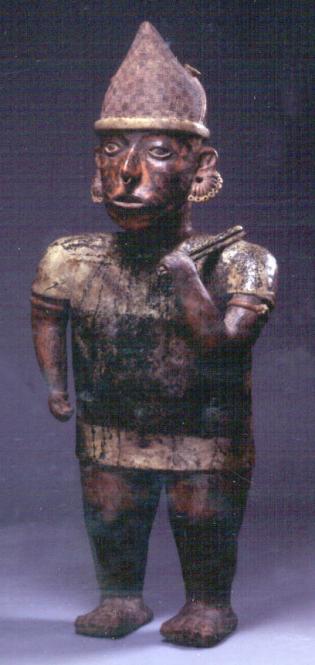
Standing Male Figure
Measurements
H. 30 7/8 x W. 14 5/8 in. (78.4 x 37.1 cm)
Creation Date
A.D. 100–400
Credit Line
Gift of Joanne and Andrall Pearson, 2018
Culture
Country of Origin
Object Type
Materials / Techniques
Object URL
https://www.metmuseum.org/art/collection/search/318983
Provenance Information
[The Merrin Gallery, New York]; Joanne and Andrall Pearson collection, New York, 2003–2018
Exhibition Information
2004 Heritage of Power: Ancient Sculpture from West Mexico. The Andrall E. Pearson Family Collection. The Metropolitan Museum of Art, New York.
Publication Information
Butterwick, Kristi, 2004 Heritage of Power: Ancient Sculpture from West Mexico. The Andrall E. Pearson Family Collection. The Metropolitan Museum of Art, New York, no. 39, illus. pp. 86 & 87.
Section of the AAMD Guidelines relied upon for the exception to 1970
Gift or bequest expected or on loan prior to 2008
Explain why the object fits the exception set forth above
This work was offered and accepted as a promised gift to The Metropolitan Museum of Art in 2004, when it was exhibited and published as part of the The Andrall E. Pearson Family Collection. This work is one of three offered together by the Pearson family in an unprecedented opportunity to obtain three striking West Mexican sculptures likely by the same artist or workshop, perhaps portraying members of the same family or lineage.
2018.868

Object Title
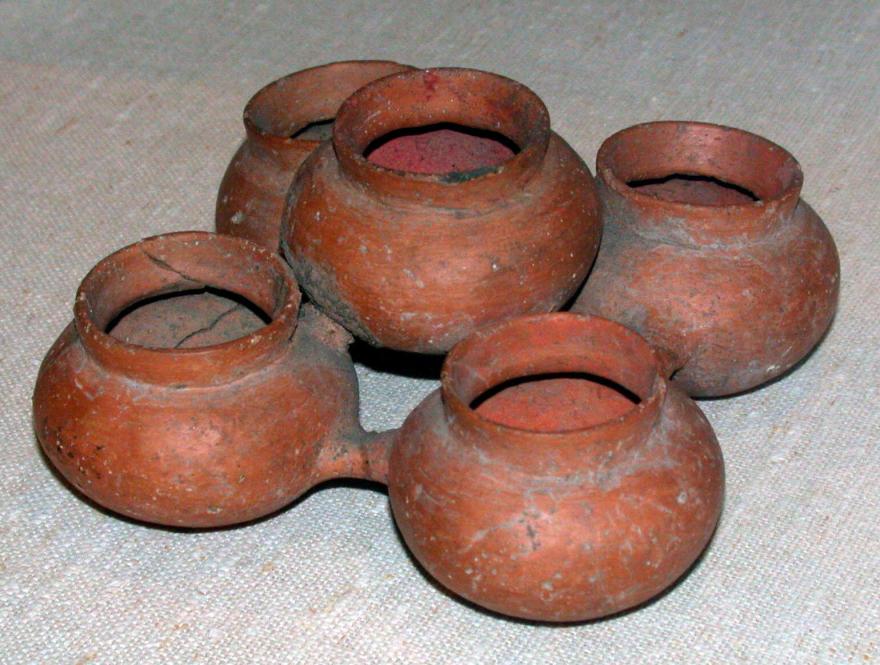
Grouped Pigment Jars
Measurements
H. 5 × W. 8 in. (12.7 × 20.3 cm)
Creation Date
A.D. 300–800
Credit Line
Gift of Dicey Taylor and Justin Kerr, 2018
Country of Origin
Object Type
Materials / Techniques
Object URL
https://www.metmuseum.org/art/collection/search/318444
Provenance Information
Acquired in Teotihuacan, Mexico, by Justin and Barbara Kerr in the late 1960s; collection of Justin Kerr, New York, 1960s–2018; gift from Dicey Taylor and Justin Kerr to The Metropolitan Museum of Art, 2018
Exhibition Information
On loan to, and on display at, The Metropolitan Museum of Art, New York, since 1993
Publication Information
None.
Section of the AAMD Guidelines relied upon for the exception to 1970
Gift or bequest expected or on loan prior to 2008
Explain why the object fits the exception set forth above
This work was purchased by Justin Kerr in Mexico in the 1960s. The work was offered as a loan from Justin Kerr to the Metropolitan Museum of Art in 1993. It has been on display since that time.

2017.396

Object Title
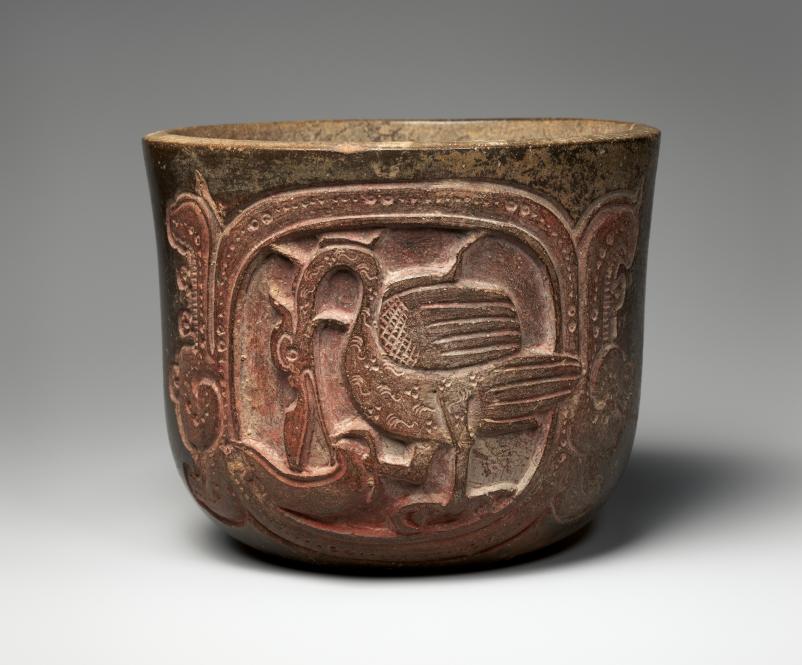
Vessel with Water Bird and Hieroglyphic Text
Measurements
H. 4 1/2 in. (11.4 cm)
Creation Date
7th–9th century
Credit Line
Gift of Justin Kerr and Dicey Taylor, 2017
Culture
Country of Origin
Object Type
Materials / Techniques
Object URL
https://www.metmuseum.org/art/collection/search/761272
Provenance Information
Justin and Barbara Kerr, New York, acquired before 1971, until 2017
Exhibition Information
1971. The Maya Scribe and His World. (New York: Grolier Club).
Publication Information
Coe, Michael D. 1973. The Maya Scribe and His World. (New York: Grolier Club). Fig. 63; Kerr, Justin. 1990. The Maya Vase Book. Vol. 2. p. 312; K4467 in the online corpus of Maya ceramics:
http://research.mayavase.com/kerrmaya_list.php?_allSearch=Chochola&hold_search=&x=32&y=15&vase_number=&date_added=&ms_number=&site
Section of the AAMD Guidelines relied upon for the exception to 1970
Cumulative facts and circumstances
Explain why the object fits the exception set forth above
This work has provenance to 1971 when it was first exhibited at the Grolier Club in New York, and illustrated in the subsequent catalogue in 1973. This work is the first vessel in this important style to enter the Metropolitan Museum’s collection. Known as Chocholá, the style is named after a small town in the northern Yucatan Peninsula from which many of these vessels reportedly came. The corpus of Chocholá vessels is limited to perhaps fewer than 50, and this depiction of a waterbird is a unique image among known vessels, and most certainly one of the finest vessels created in this iconic style.


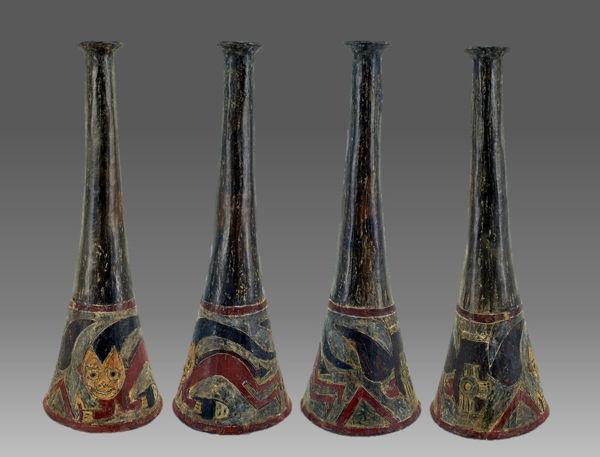
2018.75

Object Title
Paracas ceramic trumpet
Measurements
12 × 4 × 4 1/8 in. (30.5 × 10.2 × 10.5 cm) Diameter (Of mouthpiece): 1 3/8 in. (3.5 cm)
Creation Date
300–200 B.C.
Credit Line
Purchase, Amati Gifts, 2018
Culture
Country of Origin
Materials / Techniques
Object URL
https://www.metmuseum.org/art/collection/search/768802
Provenance Information
Reportedly collection of Dr. Franz Ebstein until 1968 ; Ernst Barash (New York, 1968-2017) ; [ David Bernstein Pre-Columbian Art by 2017]
Exhibition Information
None
Publication Information
None
Section of the AAMD Guidelines relied upon for the exception to 1970
Informed judgement that works were outside of the country of modern discovery before 1970
Explain why the object fits the exception set forth above
This work was reportedly in the collections of Dr. Franz Ebstein and Ernst Barash before 1970, but the Metropolitan Museum has not been able to independently verify this information. Dr. Ebstein was a collector of pre-Columbian art in the 1960s. Although this work was not included he is among the lenders to is a 1969 exhibition Selections from Private Collections at the Museum of Primitive Art in New York. Before Dr. Ebstein’s death in 1977, Mr. Barash acquired much of his collection, including this work. A photographic slide of the work that is automatically time stamped 1968 with a Kodak logo of that era also suggests that the work was in an American collection by that date.
 

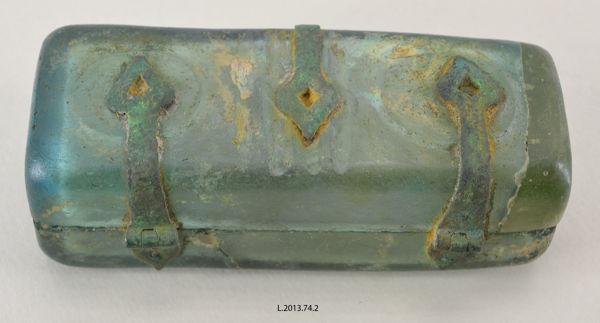
2017.453

Object Title
Box with Metal Mounts
Measurements
H. 1 3/4 in. (4.4 cm) W. 5 1/2 in. (14 cm) D. 2 1/8 in. (5.4 cm)
Creation Date
13th century
Credit Line
Gift of Dr. Marilyn Jenkins-Madina, in loving memory of her husband, Professor Maan Z. Madina, 2017
Culture
Country of Origin
Object Type
Materials / Techniques
Object URL
https://www.metmuseum.org/art/collection/search/624945
Provenance Information
Hagop Kevorkian, New York (before d. 1962); Sotheby's, New York, November 1975, to Jenkins-Madina; Marilyn Jenkins-Madina, New York (1975–2017; gifted to MMA)
Exhibition Information
This work has been on loan to and on display at The Metropolitan Museum of Art in its Islamic Gallery 454 since 2013.
Publication Information
This work is unpublished.
Section of the AAMD Guidelines relied upon for the exception to 1970
Informed judgement that works were outside of the country of modern discovery before 1970
Explain why the object fits the exception set forth above
This work has confirmed provenance to 1975 when it was acquired by Marilyn Jenkins-Madina. This work was reportedly in the collection of Hagop Kevorkian by 1962, but the Metropolitan Museum has been unable to independently confirm that provenance. An oval label that says “Kevorkian Collection” is sitting loose in the work of art. This work has been on loan to and on display at The Metropolitan Museum of Art since 2013. This work will be the only glass box from Medieval Egypt in the Metropolitan Museum collection of Islamic Art. It is a rare example of the use of glass for such a container which would have held a precious substance such as musk, ambergris or some other aromatic material. Its 13th century date indicates the continuing production of glass at the end of the Fatimid Dynasty and beginning of the Ayyubid Dynasty in Egypt, one of the main glass-making centers of the Islamic world.

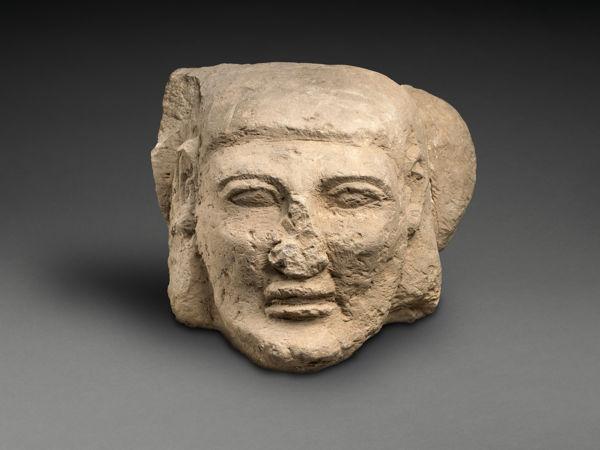
2018.657

Object Title
Monumental Head of a Foreigner
Measurements
H. 33 × W. 44 × D. 49.5 cm, 146.1 kg (13 × 17 5/16 × 19 1/2 in., 322 lb.)
Creation Date
ca. 1295–1070 B.C.
Credit Line
Gift of Lewis and Elaine Dubroff, in celebration of the Museum's 150th Anniversary, 2017
Culture
Country of Origin
Object Type
Materials / Techniques
Object URL
https://www.metmuseum.org/art/collection/search/767641
Provenance Information
By 1967, Collection of Vincent Diniacopolous, Montreal (supported by undated photograph in family archive); Diniacopolous family, Montreal, by descent, 1967-1999; their sale, Sotheby’s, June 6, 1999; purchased at Sotheby’s by Elaine and Lewis M. Dubroff; Collection of Elaine and Lewis M. Dubroff, 1999-2017; Gift of Elaine and Lewis M. Dubroff to The Metropolitan Museum of Art, 2017.
Exhibition Information
None.
Publication Information
Sotheby’s New York, June 5, 1999, p. 24 (no. 38), “A Monumental Limestone Head of a Vanquished Foreigner.”

Section of the AAMD Guidelines relied upon for the exception to 1970
Informed judgement that works were outside of the country of modern discovery before 1970
Explain why the object fits the exception set forth above
This work has provenance confirmed to 1999 when it was sold at auction by Sotheby’s as a work from a private North American collector. The Metropolitan Museum of Art has provenance information back to the early 1960s that is supported by circumstantial evidence. Vincent Diniacopolous (1886-1967) was a Canadian dealer, who was first established shops in Cairo, Paris, and Southern France in 1922 before moving to Montreal in 1951. An early photograph in the family’s archive, now in Concordia University in Canada, suggests that the piece was on the art market as early as 1910s or 1920s, when Diniacopolous was in Egypt. He stopped acquiring pieces already in the early 1960s, due to a serious health problem, and the collection remained in his family following his death in 1967. This imposing head is a collection-changing addition to the Museum’s holdings because it is an architectural element of monumental size from a Ramesside building. During the Ramesside Period (ca. 1295-1070 B.C.), Egypt’s kings concentrated on the construction of public structures and the control of their empire, and our collection does not appropriately reflect this important time.
 

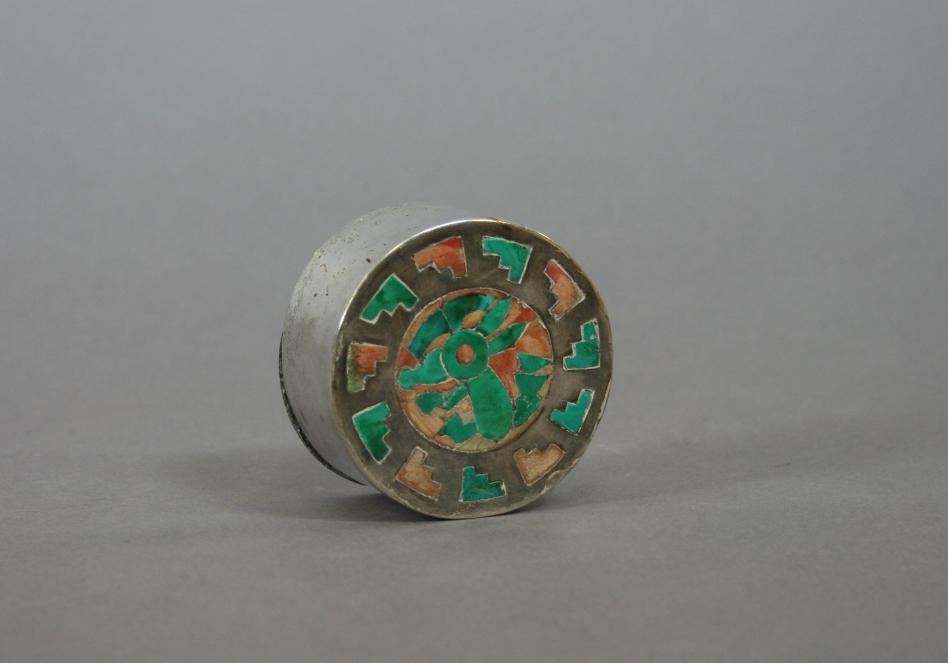
2018.887a, b

Object Title
Pair of earflares
Measurements
Diam. 2 1/4 in. (5.7 cm)
Creation Date
13th–15th century
Credit Line
Lucille and Martin E. Kantor Gift, 2018
Culture
Country of Origin
Object Type
Materials / Techniques
Object URL
https://www.metmuseum.org/art/collection/search/318668
Provenance Information
Collection of Alan Lapiner (d. 1976); Laurence C. Witten II, until 1995, and then to the Cora Williams Witten Unitrust from 1995 through 1996; [Sotheby’s, New York, November 26, 1996, lot 38]; Blake Perlingieri, WA, until 2000 [Spencer Throckmorton, New York]; Collection of Lucille and Martin E. Kantor (d. 2013), New York, 2000-2018. Promised Gift from Lucille and Martin E. Kantor to The Metropolitan Museum of Art, 2000; Gift from Lucille Kantor to The Metropolitan Museum of Art, 2018.
Exhibition Information
On loan to and on display at, The Metropolitan Museum of Art, New York, in the exhibition Rain of the Moon: Silver in Ancient Peru, November 3, 2000 – April 22, 2001.
Publication Information
Sotheby's. Precolumbian Art. New York, November 25, 1996, no. 38.

King, Heidi, Luis Jaime Castillo Butters, and Paloma Carcedo de Mufarech. Rain of the Moon: Silver in Ancient Peru. New York, New Haven and London: The Metropolitan Museum of Art, 2000, no. 57.
Section of the AAMD Guidelines relied upon for the exception to 1970
Gift or bequest expected or on loan prior to 2008
Explain why the object fits the exception set forth above
According to the 1996 Sotheby’s catalogue, the Ear Ornaments come from the collection of Alan Lapiner, a scholar of ancient Peruvian art active in the 1960’s and early 1970’s. The Ear Ornaments were promised as a gift to the Museum by Lucille and Martin E. Kantor in 2000.

2015.677

Object Title
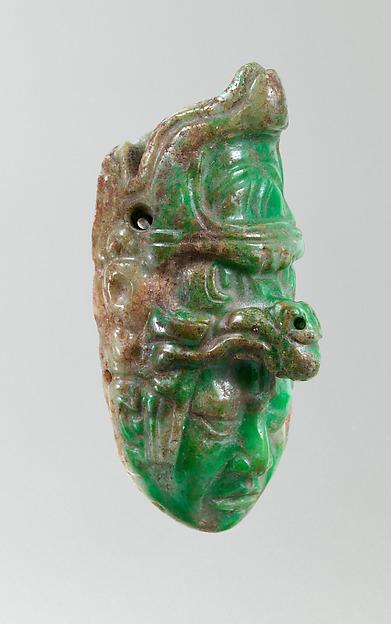
Pendant
Measurements
H. 3 × W. 1 1/2 × D. 1 1/2 in. (7.6 × 3.8 × 3.8 cm)
Creation Date
A.D. 600–700
Credit Line
Gift of Steven Kossak, The Kronos Collections, 2015
Culture
Object Type
Materials / Techniques
Object URL
http://www.metmuseum.org/art/collection/search/701645?sortBy=Relevance&ft=kossak+pendant&offset=0&rpp=20&pos=1
Provenance Information
Reportedly Collection of Jorge Castillo (d. 1977), Guatemala City; Reportedly Collection of David Bramhall, New York; [Judith Small Nash, Woodstock, NY, until 1990]; Steven Kossak, The Kronos Collections, New York, until 2015; Gift of Steven Kossak to The Metropolitan Museum of Art in 2015.
Exhibition Information
None
Publication Information
None
Section of the AAMD Guidelines relied upon for the exception to 1970
Informed judgement that works were outside of the country of modern discovery before 1970
Explain why the object fits the exception set forth above
The work was reportedly in the collection of Jorge Castillo, a well-known collector of Maya art in Guatemala City who was active from the 1960s until his death in 1977. He left the majority of his collection to the Universidad Francisco Marroquín, Guatemala City, where it was catalogued between 1975 and 1978 in preparation for the formation of a museum, now known as the Museo Popol Vuh. This work was not catalogued and added to the collection of the Museo Popol Vuh, and it is possible it was sold by Castillo before he had made plans for the formation of the museum.

Judith Small Nash sold the work in 1990 to the current owner. Ms. Nash may have acquired the work from David Bramhall (and recalls that he may have acquired it from the Castillo family). Mr. Bramhall was an active dealer in the 1960s and 1970s and reportedly had a long-term relationship with the Castillo family going back to the 1950s. The Judith Small Nash Gallery was one of the leading vendors of Precolumbian and Native American from the 1960s until the owner’s retirement in the 2000s.

Among the corpus of Maya crown jewels, this work is among the top five ever found, and the only one not currently in a public collection. The work is exceptional for its relative size, the beauty of the apple-green jade (the shade most preferred by the Maya), and the outstanding sculptural qualities of the work. The richly volumetric carving sets this work apart from known, flatter compositions. This gift enhances the Metropolitan Museum’s ability to convey the splendor of Mayan royal regalia to visitors.

2016.492.2

Object Title
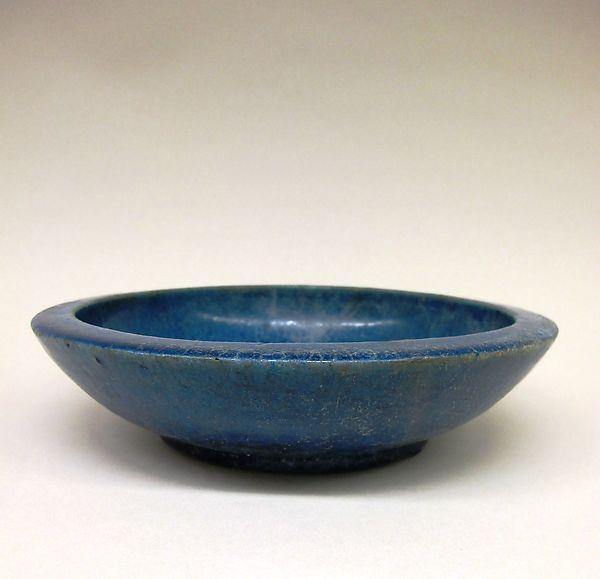
Faience Bowl
Measurements
Diam.: 8 11/16 in. (22 cm)
Creation Date
332 – 30 B.C.
Credit Line
Gift of Thomas Colville, 2016
Culture
Country of Origin
Object Type
Materials / Techniques
Object URL
http://www.metmuseum.org/art/collection/search/259249
Provenance Information
[Reportedly before 1951, with Dikran Kelekian, New York]; from the 1970s, private collection, USA; [by 1987, with Acanthus Gallery, Frederick Schultz, New York]; [by 2013, with Rupert Wace, London]; 2013, purchased by Thomas Colville from Rupert Wace; from 2013, collection of Thomas Colville, New York; given by Thomas Colville to The Metropolitan Museum of Art in 2016.
Exhibition Information
On display at the Metropolitan Museum of Art since 2013.
Publication Information
Egyptian Art. The Essential Object. May 28 to June 25, 1987, Acanthus Gallery New York, no. 26. Rupert Wace Ancient Art, London, cat. 13, 2013, no. 25.
Section of the AAMD Guidelines relied upon for the exception to 1970
Informed judgement that works were outside of the country of modern discovery before 1970
Explain why the object fits the exception set forth above
This work has provenance confirmed to 1987 when it was published by the Acanthus Gallery New York. It is reportedly from the Collection of collector Dikran Kelekian by 1951, but the Museum has not yet been able to substantiate that provenance. This bowl is a fine example of Egyptian faience ware and is representative of the luxury goods market during the Ptolemaic period that flourished in major urban centers like Alexandria. Both the type and excellent state of preservation are rare. The Museum has only one other bowl of this type. This object is preserved intact, and it will be the only example in the characteristic deep blue color.

Subscribe to The Metropolitan Museum of Art