Home

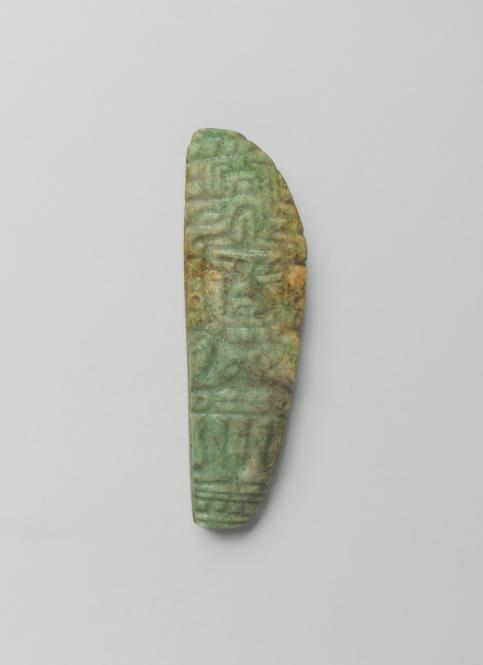
2023.7.124

Object Title
Pendant
Measurements
2 in. (5.1 cm)
Creation Date
A.D. 1200-1521
Credit Line
San Antonio Museum of Art, gift of John and Kathi Oppenheimer
Museum Contact
Lynley J. McAlpine, PhD <Lynley.McAlpine@samuseum.org>
Culture
Country of Origin
Object Type
Materials / Techniques
Object URL
https://sanantonio.emuseum.com/objects/25083/pendant?ctx=dd07474b-225b-4bdb-9487-2bf4146d322e&idx=0
Museum's Definition of Antiquity
Prior to AD 1550
Provenance Information
Oppenheimer Family, San Antonio, Texas, before 1998 (note 1); John and Kathi Oppenheimer by gift to San Antonio Museum of Art, 2023.
Note 1: This object appears in a photograph of the Oppenheimer collection dated to 1998. It was likely acquired well before the photograph was made, as many objects in the Oppenheimer collection were acquired before 1980.
Exhibition Information
N/A
Publication Information
N/A
Section of the AAMD Guidelines relied upon for the exception to 1970
Gift or bequest expected or on loan prior to 2008
Explain why the object fits the exception set forth above
San Antonio Museum of Art staff began working with and exhibiting objects from the Oppenheimer collection on loan by 1998, a relationship that culminated in the donation of the collection to the museum in 2023. Documents presented to the museum prior to the donation indicate that Herbert Oppenheimer (1911-1989) was active in Mesoamerican art collecting by 1960; documentation also shows that his son, John Oppenheimer, was actively collecting by 1968
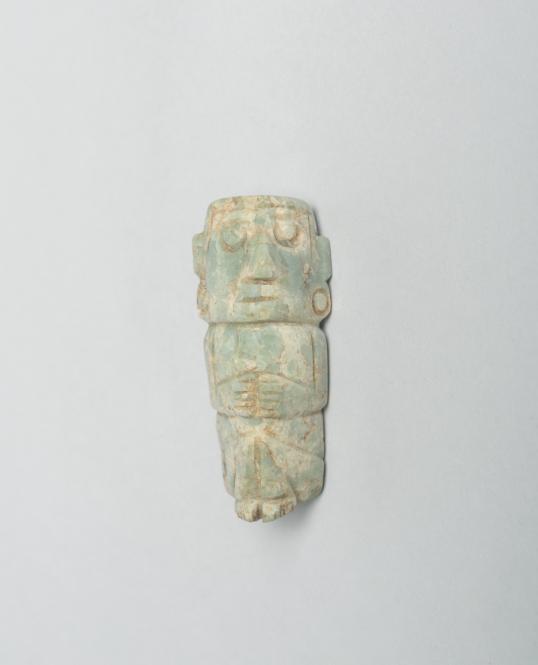
2023.7.58

Object Title
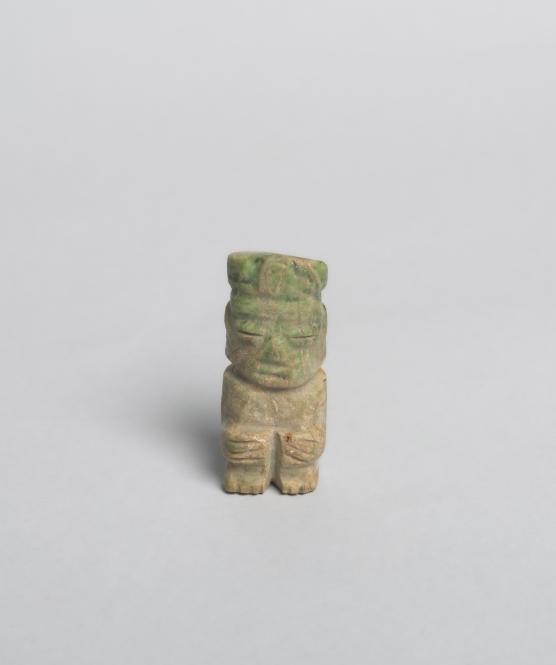
Pendant
Measurements
3 7/8 × 1 1/8 × 5/8 in. (9.8 × 2.9 × 1.6 cm)
Creation Date
700 – 1400 B.C.
Credit Line
San Antonio Museum of Art, gift of John and Kathi Oppenheimer
Museum Contact
Lynley J. McAlpine, PhD <Lynley.McAlpine@samuseum.org>
Culture
Country of Origin
Object Type
Materials / Techniques
Object URL
https://sanantonio.emuseum.com/objects/10712/pendant?ctx=c18fd0ca-d949-43e9-b9c8-3c83749f58d7&idx=0
Museum's Definition of Antiquity
Prior to AD 1550
Provenance Information
John and Kathi Oppenheimer, San Antonio, Texas, by 1998 (note 1); On loan from John and Kathi Oppenheimer to San Antonio Museum of Art, 1998-2013; John and Kathi Oppenheimer by gift to San Antonio Museum of Art, 2023.
Note 1: This object appears in a photograph of the Oppenheimer collection dated to 1998. It was likely acquired well before the photograph was made, as many objects in the Oppenheimer collection were acquired before 1980.
Exhibition Information
Exhibited at San Antonio Museum of Art, 1998-2013.
Publication Information
N/A
Section of the AAMD Guidelines relied upon for the exception to 1970
Gift or bequest expected or on loan prior to 2008
Explain why the object fits the exception set forth above
This work was exhibited as a loan to the San Antonio Museum of Art prior to its donation to the permanent collection. SAMA staff first began working with and exhibiting objects from the Oppenheimer collection by 1998, a relationship that culminated in the donation of the collection to the museum in 2023. Documents presented to the museum prior to the donation indicate that Herbert Oppenheimer (1911-1989) was active in Mesoamerican art collecting by 1960; documentation also shows that his son, John Oppenheimer, was actively collecting by 1968.

2023.7.52

Object Title
Pendant
Measurements
3 in. (7.6 cm)
Creation Date
A.D. 1200-1521
Credit Line
San Antonio Museum of Art, gift of John and Kathi Oppenheimer
Museum Contact
Lynley J. McAlpine, PhD <Lynley.McAlpine@samuseum.org>
Culture
Country of Origin
Object Type
Materials / Techniques
Object URL
https://sanantonio.emuseum.com/objects/25011/pendant?ctx=49ef01a9-a269-4947-8d54-42bcf6c6057e&idx=0
Museum's Definition of Antiquity
Prior to AD 1550
Provenance Information
Oppenheimer Family, San Antonio, Texas, before 1998 (note 1); John and Kathi Oppenheimer by gift to San Antonio Museum of Art, 2023.
Note 1: This object appears in a photograph of the Oppenheimer collection dated to 1998. It was likely acquired well before the photograph was made, as many objects in the Oppenheimer collection were acquired before 1980.
Exhibition Information
N/A
Publication Information
N/A
Section of the AAMD Guidelines relied upon for the exception to 1970
Gift or bequest expected or on loan prior to 2008
Explain why the object fits the exception set forth above
San Antonio Museum of Art staff began working with and exhibiting objects from the Oppenheimer collection on loan by 1998, a relationship that culminated in the donation of the collection to the museum in 2023. Documents presented to the museum prior to the donation indicate that Herbert Oppenheimer (1911-1989) was active in Mesoamerican art collecting by 1960; documentation also shows that his son, John Oppenheimer, was actively collecting by 1968.

2018.3.15

Object Title
Labret
Measurements
1/2 x 7/8 x 5/8 in.
Creation Date
ca. AD 900-1500
Credit Line
Gift in honor of Assen Nicolov
Culture
Country of Origin
Object Type
Materials / Techniques
Object URL
http://art.seattleartmuseum.org/objects/47116/labret?ctx=7d715d48-46ee-40fb-9981-8af2a9e61dd9&idx=14
Provenance Information
Collection of Paul Arany, New York, probably by the late 1960s; [Throckmorton Fine Art, Inc., New York]; purchased by Assen and Christine Nicolov, Seattle, Washington, Oct. 27, 1998
Exhibition Information
None known
Publication Information
None
Section of the AAMD Guidelines relied upon for the exception to 1970
Informed judgement that works were outside of the country of modern discovery before 1970
Explain why the object fits the exception set forth above
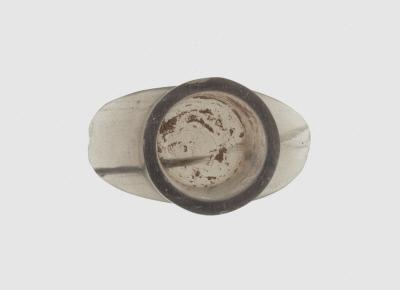
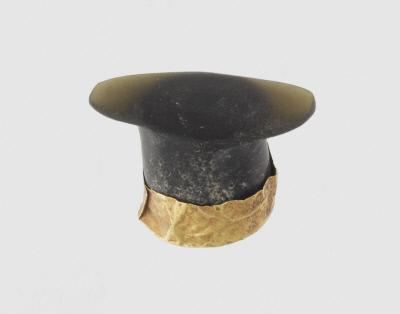
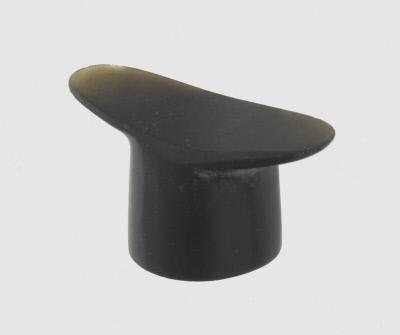
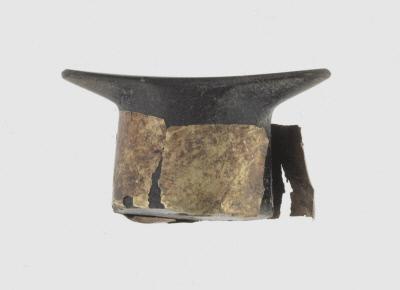
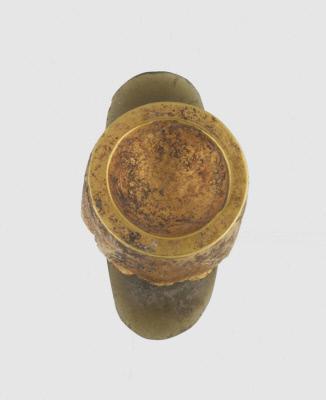
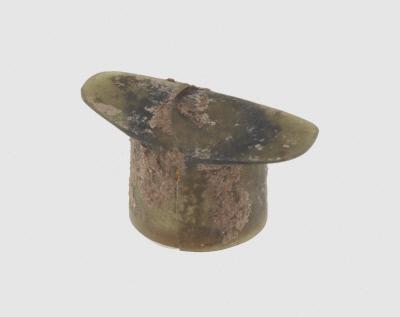
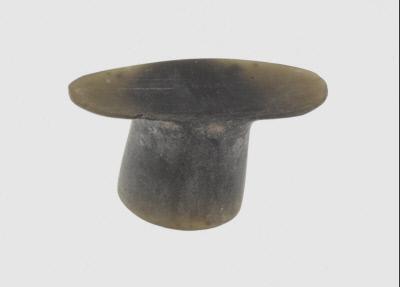
Based on the results of provenance research, this labret was outside its probable country of modern discovery (Mexico) by the late 1960s. Per email correspondence with Throckmorton Fine Art employee Dimitri Treantafilos, Spencer Throckmorton confirmed that this labret (plus eleven others) came to the gallery from the collection of Paul Arany, who collected them while working in Mexico for the oil industry during the 1960s, thus placing them outside their country of modern discovery before 1970. The labret cleared a search conducted by the Art Loss Register. The Seattle Art Museum’s collection includes a few pieces of adornment—ear spools, pendants, necklaces—but not labrets. With this acquisition the museum can look cross-culturally at the practice of wearing lip plugs and other bodily adornments.

2018.3.14

Object Title
Labret
Measurements
5/8 x 1 1/8 x 1/2 in.
Creation Date
ca. AD 900-1500
Credit Line
Gift in honor of Assen Nicolov
Culture
Country of Origin
Object Type
Materials / Techniques
Object URL
http://art.seattleartmuseum.org/objects/47115/labret?ctx=7d715d48-46ee-40fb-9981-8af2a9e61dd9&idx=13
Provenance Information
Collection of Paul Arany, New York, probably by the late 1960s; [Throckmorton Fine Art, Inc., New York]; purchased by Assen and Christine Nicolov, Seattle, Washington, Oct. 27, 1998
Exhibition Information
None known
Publication Information
None known
Section of the AAMD Guidelines relied upon for the exception to 1970
Informed judgement that works were outside of the country of modern discovery before 1970
Explain why the object fits the exception set forth above
Based on the results of provenance research, this labret was outside its probable country of modern discovery (Mexico) by the late 1960s. Per email correspondence with Throckmorton Fine Art employee Dimitri Treantafilos, Spencer Throckmorton confirmed that this labret (plus eleven others) came to the gallery from the collection of Paul Arany, who collected them while working in Mexico for the oil industry during the 1960s, thus placing them outside their country of modern discovery before 1970. The labret cleared a search conducted by the Art Loss Register. The Seattle Art Museum’s collection includes a few pieces of adornment—ear spools, pendants, necklaces—but not labrets. With this acquisition the museum can look cross-culturally at the practice of wearing lip plugs and other bodily adornments.

2018.3.13

Object Title
Labret
Measurements
5/8 x 1 1/8 x 3/4 in.
Creation Date
ca. AD 900-1500
Credit Line
Gift in honor of Assen Nicolov
Culture
Country of Origin
Object Type
Materials / Techniques
Object URL
http://art.seattleartmuseum.org/objects/47114/labret?ctx=7d715d48-46ee-40fb-9981-8af2a9e61dd9&idx=12
Provenance Information
Collection of Paul Arany, New York, probably by the late 1960s; [Throckmorton Fine Art, Inc., New York]; purchased by Assen and Christine Nicolov, Seattle, Washington, Oct. 27, 1998
Exhibition Information
None known
Publication Information
None known
Section of the AAMD Guidelines relied upon for the exception to 1970
Informed judgement that works were outside of the country of modern discovery before 1970
Explain why the object fits the exception set forth above
Based on the results of provenance research, this labret was outside its probable country of modern discovery (Mexico) by the late 1960s. Per email correspondence with Throckmorton Fine Art employee Dimitri Treantafilos, Spencer Throckmorton confirmed that this labret (plus eleven others) came to the gallery from the collection of Paul Arany, who collected them while working in Mexico for the oil industry during the 1960s, thus placing them outside their country of modern discovery before 1970. The labret cleared a search conducted by the Art Loss Register. The Seattle Art Museum’s collection includes a few pieces of adornment—ear spools, pendants, necklaces—but not labrets. With this acquisition the museum can look cross-culturally at the practice of wearing lip plugs and other bodily adornments.

2018.3.12

Object Title
Labret
Measurements
1/2 x 1 x 5/8 in.
Creation Date
ca. AD 900-1500
Credit Line
Gift in honor of Assen Nicolov
Culture
Country of Origin
Object Type
Materials / Techniques
Object URL
http://art.seattleartmuseum.org/objects/47113/labret?ctx=7d715d48-46ee-40fb-9981-8af2a9e61dd9&idx=11
Provenance Information
Collection of Paul Arany, New York, probably by the late 1960s; [Throckmorton Fine Art, Inc., New York]; purchased by Assen and Christine Nicolov, Seattle, Washington, Oct. 27, 1998
Exhibition Information
None known
Publication Information
None known
Section of the AAMD Guidelines relied upon for the exception to 1970
Informed judgement that works were outside of the country of modern discovery before 1970
Explain why the object fits the exception set forth above
Based on the results of provenance research, this labret was outside its probable country of modern discovery (Mexico) by the late 1960s. Per email correspondence with Throckmorton Fine Art employee Dimitri Treantafilos, Spencer Throckmorton confirmed that this labret (plus eleven others) came to the gallery from the collection of Paul Arany, who collected them while working in Mexico for the oil industry during the 1960s, thus placing them outside their country of modern discovery before 1970. The labret cleared a search conducted by the Art Loss Register. The Seattle Art Museum’s collection includes a few pieces of adornment—ear spools, pendants, necklaces—but not labrets. With this acquisition the museum can look cross-culturally at the practice of wearing lip plugs and other bodily adornments.

2018.3.11

Object Title
Labret
Measurements
1/2 x 7/8 x 5/8 in.
Creation Date
ca. AD 900-1500
Credit Line
Gift in honor of Assen Nicolov
Culture
Country of Origin
Object Type
Materials / Techniques
Object URL
http://art.seattleartmuseum.org/objects/47112/labret?ctx=7d715d48-46ee-40fb-9981-8af2a9e61dd9&idx=10
Provenance Information
Collection of Paul Arany, New York, probably by the late 1960s; [Throckmorton Fine Art, Inc., New York]; purchased by Assen and Christine Nicolov, Seattle, Washington, Oct. 27, 1998
Exhibition Information
None known
Publication Information
None known
Section of the AAMD Guidelines relied upon for the exception to 1970
Informed judgement that works were outside of the country of modern discovery before 1970
Explain why the object fits the exception set forth above
Based on the results of provenance research, this labret was outside its probable country of modern discovery (Mexico) by the late 1960s. Per email correspondence with Throckmorton Fine Art employee Dimitri Treantafilos, Spencer Throckmorton confirmed that this labret (plus eleven others) came to the gallery from the collection of Paul Arany, who collected them while working in Mexico for the oil industry during the 1960s, thus placing them outside their country of modern discovery before 1970. The labret cleared a search conducted by the Art Loss Register. The Seattle Art Museum’s collection includes a few pieces of adornment—ear spools, pendants, necklaces—but not labrets. With this acquisition the museum can look cross-culturally at the practice of wearing lip plugs and other bodily adornments.

2018.3.10

Object Title
Labret
Measurements
5/8 x 1 1/8 x 5/8 in.
Creation Date
ca. AD 900-1500
Credit Line
Gift in honor of Assen Nicolov
Culture
Country of Origin
Object Type
Materials / Techniques
Object URL
http://art.seattleartmuseum.org/objects/47111/labret?ctx=7d715d48-46ee-40fb-9981-8af2a9e61dd9&idx=9
Provenance Information
Collection of Paul Arany, New York, probably by the late 1960s; [Throckmorton Fine Art, Inc., New York]; purchased by Assen and Christine Nicolov, Seattle, Washington, Oct. 27, 1998
Exhibition Information
None known
Publication Information
None known
Section of the AAMD Guidelines relied upon for the exception to 1970
Informed judgement that works were outside of the country of modern discovery before 1970
Explain why the object fits the exception set forth above
Based on the results of provenance research, this labret was outside its probable country of modern discovery (Mexico) by the late 1960s. Per email correspondence with Throckmorton Fine Art employee Dimitri Treantafilos, Spencer Throckmorton confirmed that this labret (plus eleven others) came to the gallery from the collection of Paul Arany, who collected them while working in Mexico for the oil industry during the 1960s, thus placing them outside their country of modern discovery before 1970. The labret cleared a search conducted by the Art Loss Register. The Seattle Art Museum’s collection includes a few pieces of adornment—ear spools, pendants, necklaces—but not labrets. With this acquisition the museum can look cross-culturally at the practice of wearing lip plugs and other bodily adornments.

2018.3.9

Object Title
Labret
Measurements
1/2 x 1 x 1/2 in.
Creation Date
ca. AD 900-1500
Credit Line
Gift in honor of Assen Nicolov
Culture
Country of Origin
Object Type
Materials / Techniques
Object URL
http://art.seattleartmuseum.org/objects/47110/labret?ctx=7d715d48-46ee-40fb-9981-8af2a9e61dd9&idx=8
Provenance Information
Collection of Paul Arany, New York, probably by the late 1960s; [Throckmorton Fine Art, Inc., New York]; purchased by Assen and Christine Nicolov, Seattle, Washington, Oct. 27, 1998
Exhibition Information
None known
Publication Information
None known
Section of the AAMD Guidelines relied upon for the exception to 1970
Informed judgement that works were outside of the country of modern discovery before 1970
Explain why the object fits the exception set forth above
Based on the results of provenance research, this labret was outside its probable country of modern discovery (Mexico) by the late 1960s. Per email correspondence with Throckmorton Fine Art employee Dimitri Treantafilos, Spencer Throckmorton confirmed that this labret (plus eleven others) came to the gallery from the collection of Paul Arany, who collected them while working in Mexico for the oil industry during the 1960s, thus placing them outside their country of modern discovery before 1970. The labret cleared a search conducted by the Art Loss Register. The Seattle Art Museum’s collection includes a few pieces of adornment—ear spools, pendants, necklaces—but not labrets. With this acquisition the museum can look cross-culturally at the practice of wearing lip plugs and other bodily adornments.
Subscribe to Mixtec